
GARDEN IRRIGATION SYSTEM FAQS | Drip irrigation, sprinklers & water saving tips
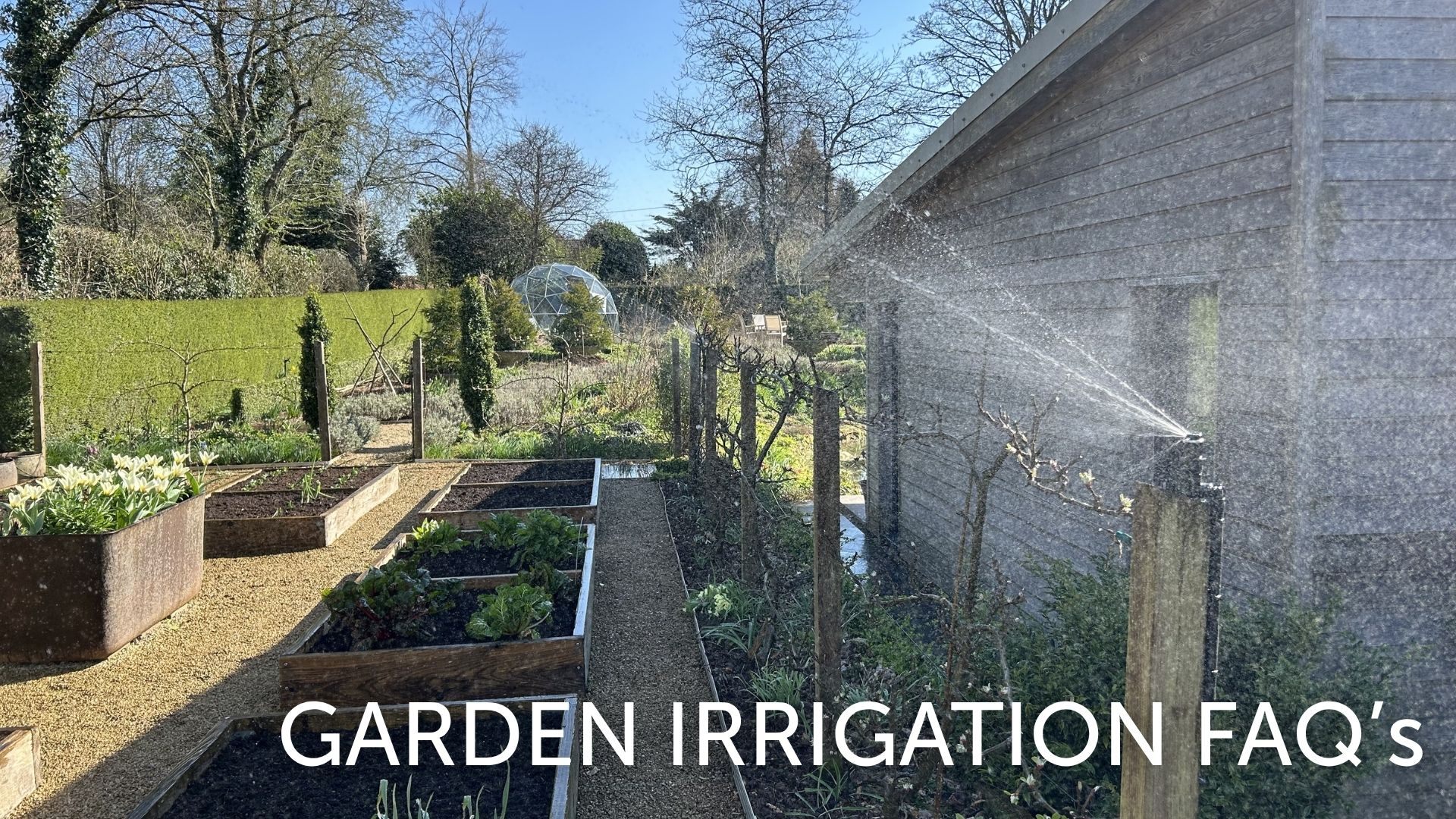
At Landscapeplus, we supply irrigation systems for landscapers, irrigation installers and garden designers across the UK, helping trade professionals specify and install efficient watering systems for residential and commercial projects.
Garden irrigation systems help automate watering, improve plant health and reduce water waste in gardens of all sizes. Whether you're installing drip irrigation for borders, pop-up sprinklers for lawns or using a rainwater harvesting system, choosing the right setup can improve efficiency and reduce maintenance in your client's garden.
This garden irrigation FAQ answers common questions about irrigation systems to help you choose the right system for your client and make the installation process as smooth as possible.
Do I need a garden irrigation system?
A garden irrigation system is recommended if you want consistent watering, heathier plants, and less manual effort, especially in larger gardens or during hot, dry weather.
Irrigation systems are particularly useful for:
- Working in a large garden where manual watering isn't practical
- Clients that travel frequently or spend time away
- Protecting plants during dry spells
- Reducing water waste and improving efficiency
What is the best irrigation system for my client's garden?
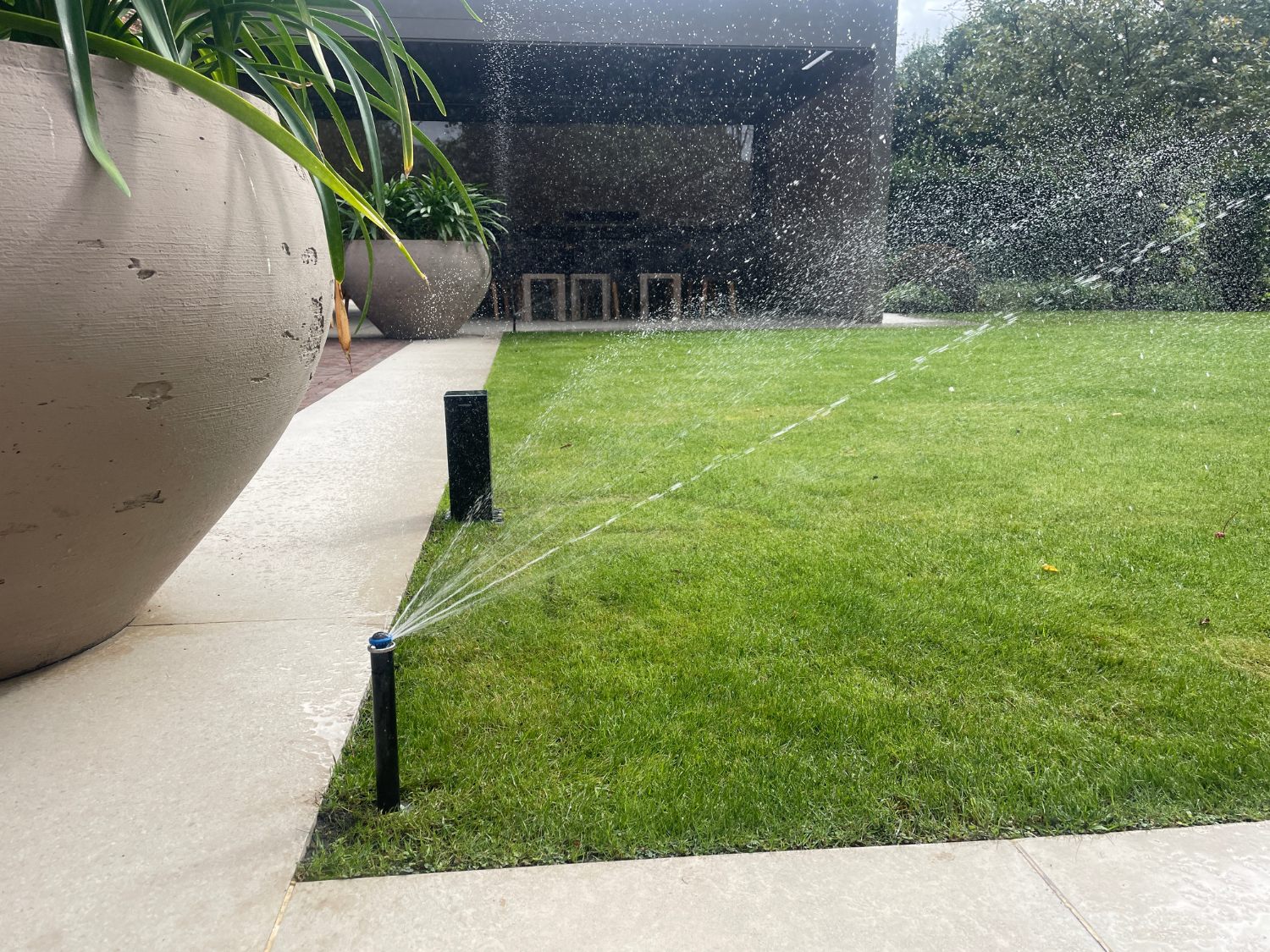
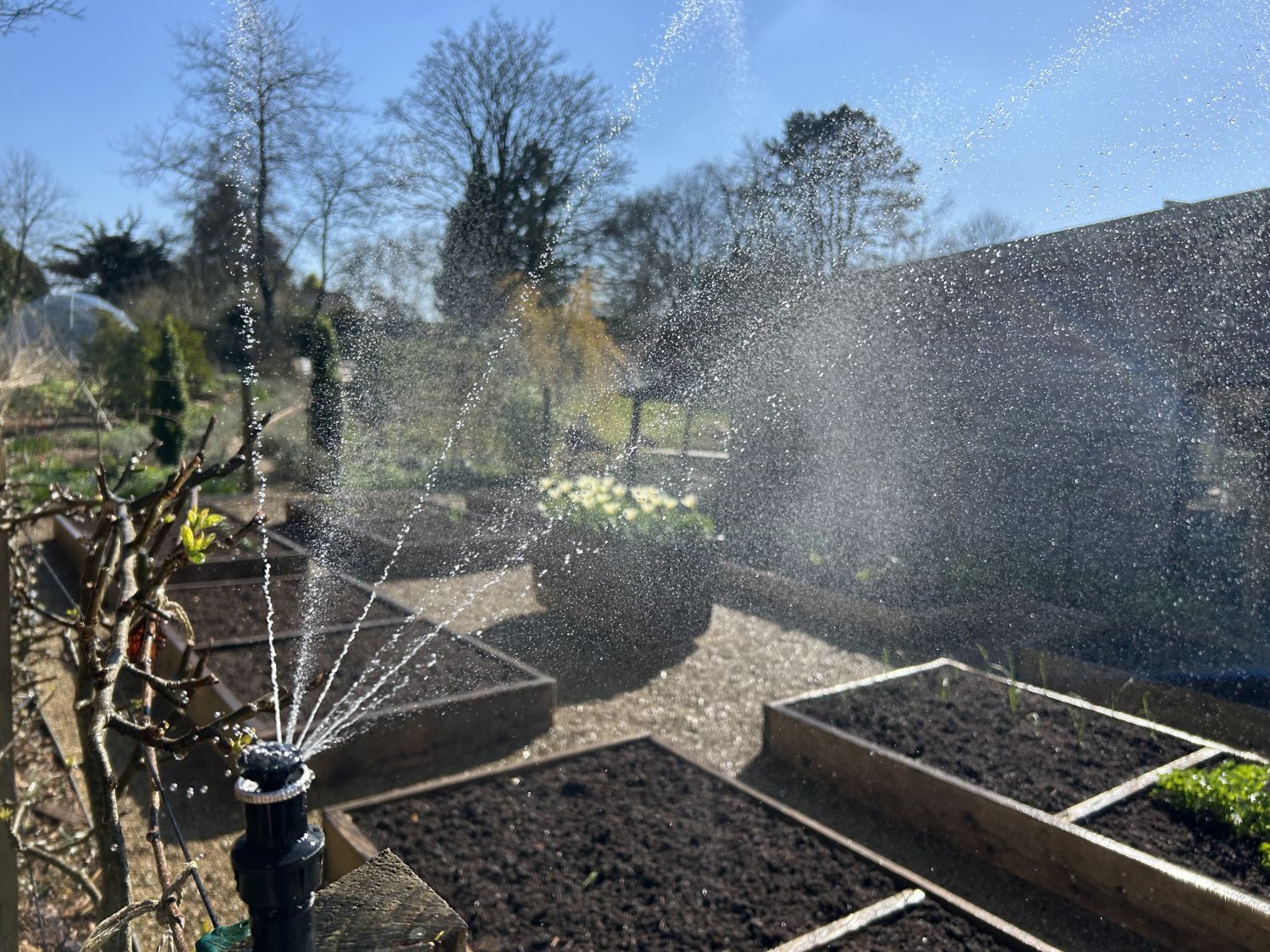
The best system will depend on what you are needing to water, but drip pipe irrigation is ideal for borders and planting beds, while pop-up sprinklers are great for irrigating lawns.
Different systems are designed for different applications, so choosing the right setup will improve efficiency and deliver better results.
Best options by area:
- Borders & beds: Drip pipe irrigation
- Lawns: Pop-up sprinkler systems
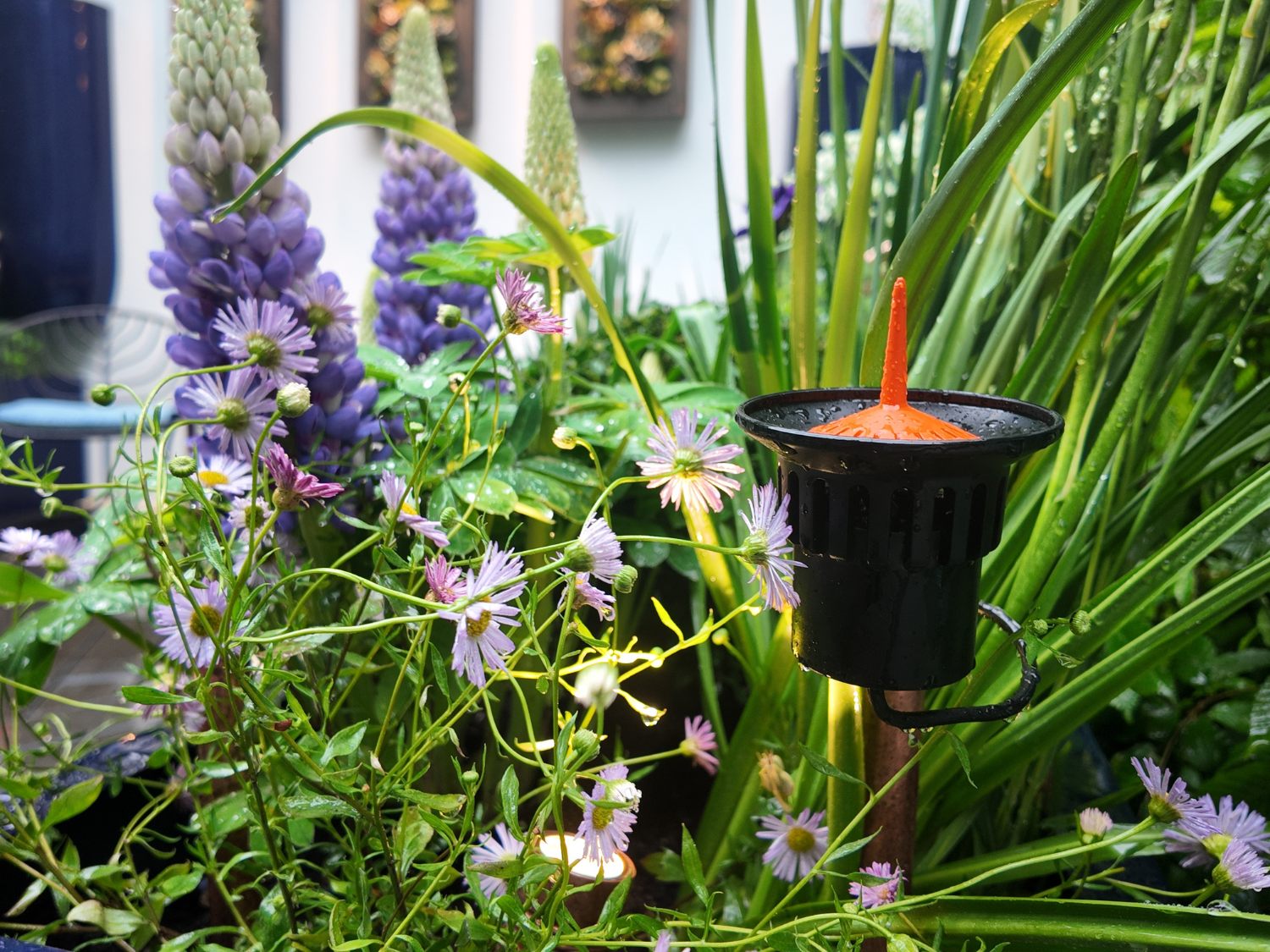
- Pots & planters: Micro irrigation
It's worth noting that water pressure and flow rate will also determine what system you can install in your client's garden.
Is drip irrigation better than a sprinkler system?
Drip irrigation is more water-efficient than a sprinkler system because it delivers water directly to plant roots, reducing evaporation and water waste.
Drip irrigation advantages:
- Uses less water
- Targets roots directly
- Works well in dry conditions
- Exempt from hosepipe bans
Sprinkler system advantages:
- Covers large areas
- Ideal for lawns
- Provides even coverage across open spaces
How do I test water pressure and flow rate for irrigation?
Testing water pressure and flow rate is an important step before installing any irrigation system.
Water pressure can be tested using a pressure gauge, while flow rate is usually measured by timing how long it takes to fill a bucket.
Steps to test flow rate:
- Place a bucket under your tap
- Run water for 30 seconds
- Measure the volume collected
- Multiply to calculate litres per minute
This helps determine:
- Which irrigation system is suitable
- Irrigation zoning
- Overall system performance
Learn how to perform the test here >>
What is irrigation zoning
Irrigation zoning is the process of dividing an irrigation system into separate watering areas based on plant type, sun exposure and water requirements
Irrigation zoning is important because every system is limited by the available flow rate. If too many sprinklers or emitters run at the same time, water pressure and performance can drop. Splitting the system into separate zones ensures each area receives enough water, which is especially important on tap-based systems where flow rate is fixed.
What is rainwater harvesting?
Rainwater harvesting is the collection and storage of rainwater for reuse, typically for garden irrigation.
It's an effective way to reduce mains water usage while making irrigation systems more sustainable.
It usually involves:
- A collection surface (eg. house or shed roof)
- Gutters and filters
- A storage tank (above or below ground)
- A mains water top-up ensures there is always enough water to irrigate
Read our blog on harvesting rainwater here >>
Is rainwater harvesting worth it in the UK?
Yes, rainwater harvesting can reduce water bills and improve sustainability, especially with rising water costs and growing environmental awareness.
Key benefits:
- Reduces mains water usage
- Improves long-term sustainability
- Provides naturally soft water for plants
Is rainwater better for plant health?
Yes, rainwater is ideal for garden irrigation because it's free of chemicals like chlorine and is easily absorbed by plants.
Rainwater is:
- Slightly acidic (good for nutrient uptake)
- Better for soil health, as it prevents the accumulation of chemicals and helps to keep the right pH levels of the soil. (you can read the full article on the RHS website here>>)
- Cost-effective, reducing water bills
Do rainwater harvesting systems require maintenance?
Rainwater harvesting systems require very little maintenance, but occasional checks will help keep everything working efficiently.
Typical maintenance tasks include:
- Cleaning filters
- Inspecting pumps
- Removing debris from storage tanks
- Checking pipework and connections for blockages or leaks
Regular maintenance will help improve system lifespan and prevent blockages.
How can I improve irrigation efficiency?
Improving irrigation efficiency helps reduce water waste while keeping plants healthy and properly hydrated.
Simple upgrades and smarter watering habits can make a significant difference!
Best ways to improve efficiency:
- Add a tap timer or irrigation controller to allow automatic irrigation schedules
- Water early in the morning or late at night to reduce water lost through evaporation
- Install rain or soil sensors to pause automated irrigation when not required
- Mulch over drip pipe and soil to retain water and reduce evaporation
What is the best time to water a garden?
The best time to water a garden is early morning or late evening when temperatures are cooler and evaporation is lower.
Watering at these times allows moisture to soak into the soil more efficiently and helps plants absorb water before the heat of the day.
Avoid watering:
- During midday heat
- In strong sunlight
Watering at the correct time can significantly improve irrigation efficiency.
How do I prepare my irrigation system for winter?
Preparing an irrigation system for winter is essential to prevent frozen pipework and damaged components.
Before temperatures drop, make sure all water is drained from your system.
Winter preparation checklist:
- Remove tap timers and splitters
- Store components indoors
- Turn off water supply
- Drain all pipework
Check out our full blog here >>
Can you run pop-up sprinklers from a tap in the UK?
No, you cannot legally run pop-up sprinklers directly from a tap unless proper backflow prevention is installed.
A safer option is to install a tank and pump system with an air pump system with an air gap between the tank and mains water top-up.
It's always worth checking your local water regulations for what can/can't be done.
Do I need a filter in my irrigation system?
Yes, installing a simple in-line filter is highly recommended because it helps prevent debris, sediment and scale from entering the irrigation system.
Benefits:
- Prevents clogged emitters
- Extends system lifespan
- Reduces maintenance
- Improves system reliability
Why are my irrigation fittings leaking?
Leaking irrigation fittings are usually caused by incorrect installation, incompatible pipe sizes or loose connections.
Common causes:
- Using 13mm fittings on 14mm pipe
- Missing ratchet clamps
- Loose or poorly secured fittings
- Threaded connections without O-rings or PTFE tape
Checking components compatibility during installation can help avoid leaks and maintenance issues.
Final thoughts on garden irrigation system
Choosing the right garden irrigation system can improve plant health, reduce water waste and make garden maintenance far more efficient throughout the year. Whether you are installing drip irrigation for borders, pop-up sprinklers for lawns or incorporating rainwater harvesting into your design, selecting the correct setup will help deliver reliable and effective watering for every area of the garden.
Understanding factors such as water pressure, irrigation zoning and seasonal maintenance is also essential for achieving long-term performance and efficiency. By using efficient irrigation components and smart watering controls, you can create a system that supports healthier plants while reducing unnecessary water usage.
If you are planning a new irrigation project or upgrading an existing system, taking the time to choose the right solution for your client's garden can deliver better results, improved sustainability and easier garden management year-round.
If you need helping choosing the right system for your next project, don't hesitate to get in touch with the Landscapeplus team.
Categories
Copyright 2025 Landscapeplus
Ecommerce website by Coretonomy